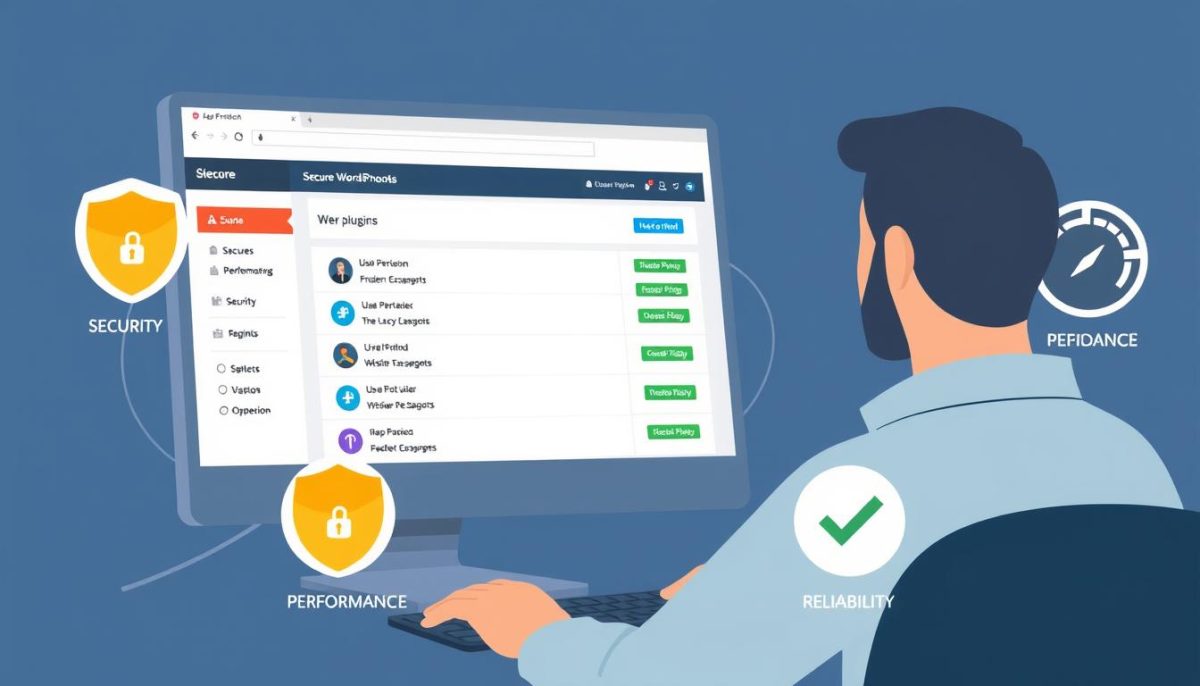
In the world of website development, plugins and themes are essential tools that extend functionality and enhance design. However, the temptation to use nulled plugins—unauthorized copies of premium software—can lead to serious consequences for your website and business. This comprehensive guide explores what nulled plugins are, the risks they pose, how to detect them, and most importantly, where to find safe alternatives that won’t compromise your site’s security or performance.
What Are Nulled Plugins and Themes?
Nulled plugins and themes are unauthorized copies of premium software that have been modified to bypass licensing verification. These pirated versions allow users to access premium features without paying for a legitimate license. While they might seem like a cost-effective solution, they represent significant risks to your website’s security and functionality.
Nulled vs. Null Theme: Understanding the Difference
It’s important to distinguish between “nulled” and “null” themes. A nulled theme is a pirated version of a premium theme with licensing verification removed. In contrast, a “null theme” might refer to a minimalist or starter theme with basic functionality designed to be built upon—these legitimate themes are not the same as pirated “nulled” versions.
How Plugins Work: A Technical Overview
WordPress and Shopify plugins are essentially packages of code that extend the functionality of your website. They integrate with the core platform through standardized APIs (Application Programming Interfaces) that allow them to add features without modifying the core files. When you install a plugin, it becomes part of your website’s codebase and can access your database, files, and user information.
This deep integration is precisely why plugin security is critical—any compromised plugin has potential access to your entire website. Legitimate plugins undergo security reviews and regular updates to patch vulnerabilities, while nulled plugins often contain deliberately inserted malicious code.
Must-Use (MU) Plugins: A Different Approach
Must-Use plugins (sometimes called “mu-plugins”) are a special category of WordPress plugins that are automatically activated and cannot be disabled through the admin interface. Unlike regular plugins that can be activated or deactivated at will, MU plugins are always running. They’re typically used for critical functionality that should never be disabled, making them fundamentally different from both regular and nulled plugins.
The 7 Critical Risks of Using Nulled Plugins
The appeal of getting premium functionality without the premium price tag is understandable, especially for new website owners on a tight budget. However, the risks associated with nulled plugins far outweigh any potential cost savings.
1. Security Vulnerabilities and Malware
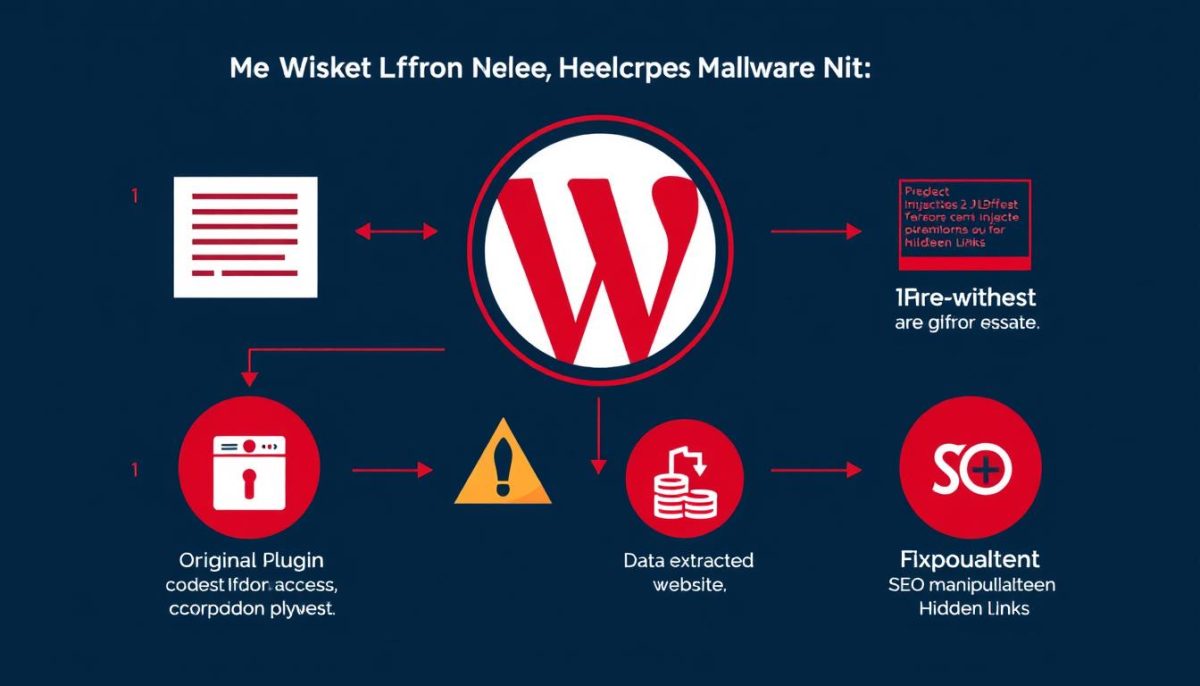
The most significant danger of nulled plugins is the deliberate insertion of malicious code. Hackers often use nulled plugins as Trojan horses to gain backdoor access to websites. This malware can remain dormant for weeks or months before activating, making it difficult to trace the source of the infection. Once activated, it can create security vulnerabilities that allow complete access to your website and server.
2. Data Theft and Privacy Breaches
Malicious code in nulled plugins can silently collect sensitive information from your website, including customer data, login credentials, and payment information. This data can then be sold on the dark web or used for identity theft. For businesses, this represents not just a security issue but a potential violation of data protection regulations like GDPR or CCPA, which can result in significant fines.
3. SEO Penalties and Reputation Damage
Nulled plugins often inject hidden spam links or redirect visitors to malicious websites. Search engines like Google can detect these suspicious activities and may penalize your site by lowering its rankings or removing it from search results entirely. Rebuilding your SEO reputation after such penalties can take months or even years.
4. No Updates or Support
Legitimate plugins receive regular updates that fix bugs, patch security vulnerabilities, and add new features. Nulled plugins cannot be updated through normal channels, leaving your site vulnerable to newly discovered security threats. Additionally, you won’t have access to developer support when issues arise, forcing you to troubleshoot complex problems on your own.
5. Legal Consequences
While some WordPress plugins are released under the GPL license (which allows for redistribution), many include proprietary components that are protected by copyright. Using nulled versions of these plugins could potentially expose you to legal action from the original developers. Additionally, if a data breach occurs due to a nulled plugin, you could face legal liability for failing to take reasonable security precautions.
6. Site Performance Issues
Nulled plugins often contain poorly written or outdated code that can slow down your website. This poor performance not only creates a frustrating user experience but can also negatively impact your search engine rankings, as page speed is a significant ranking factor for Google and other search engines.
7. Loss of Customer Trust
Perhaps the most devastating long-term consequence is the loss of customer trust that occurs when a website is compromised. If visitors receive malware warnings when visiting your site, or if their personal information is stolen, they’re unlikely to return. According to studies, approximately 60% of small businesses close within six months of a major data breach.
| Feature | Free Official Plugins | Premium Official Plugins | Nulled Plugins |
| Security | High – Vetted by repository teams | Very High – Regular security audits | Very Low – Often contains malware |
| Updates | Regular updates | Priority updates | No automatic updates |
| Support | Community support | Dedicated support team | No support |
| Features | Basic functionality | Advanced features | Advanced features (but often broken) |
| Legal Status | Legal | Legal | Often violates terms of service |
| Cost | Free | Paid (often subscription) | Free or low cost (high hidden costs) |
How to Check for Nulled Plugins on Your Website
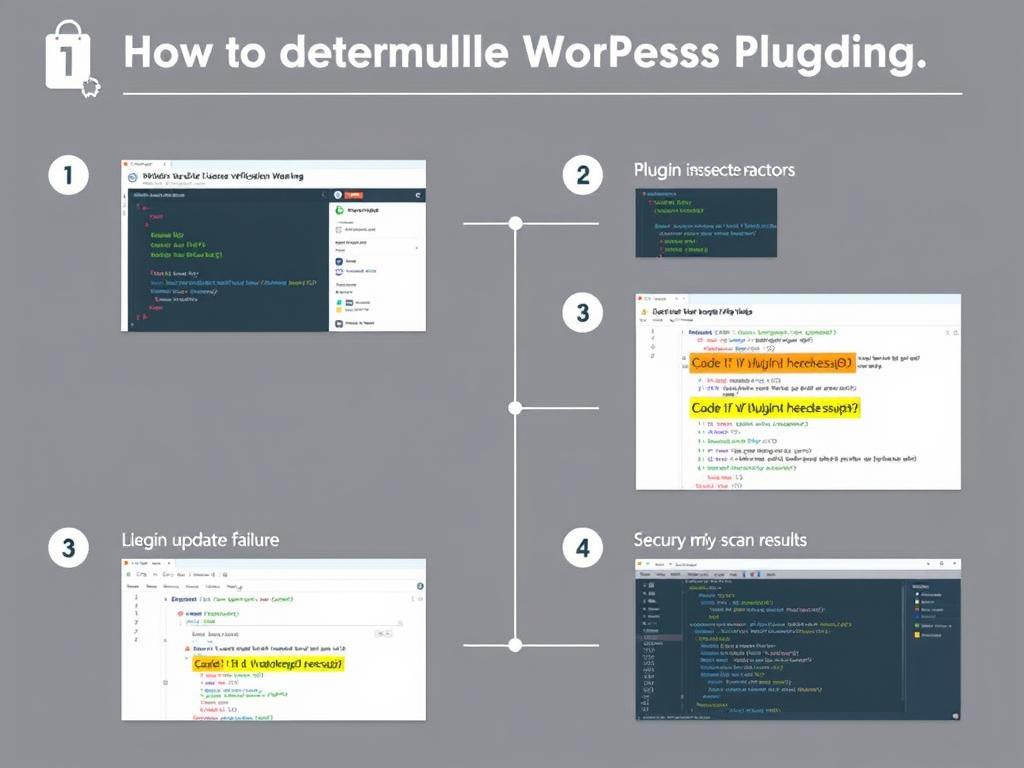
If you’re concerned that your website might already have nulled plugins installed, there are several methods to check. Early detection is crucial to preventing security breaches and other issues.
Should I delete inactive plugins?
Yes, you should delete inactive plugins rather than just deactivating them. Inactive plugins can still contain vulnerabilities that hackers can exploit, even when not in use. They also add unnecessary bloat to your website and can slow down performance. Regular plugin audits to remove unused plugins are an essential part of website maintenance and security.
Method 1: Check for Missing License Keys
Most premium plugins require activation with a license key to enable updates and support. To check if your plugins are legitimate:
- Log in to your WordPress dashboard and navigate to the Plugins section
- Look for premium plugins that don’t have license key fields or show “unlicensed” status
- Check plugin settings pages for license activation options
- Verify if you have purchase receipts or license documentation for all premium plugins
Method 2: Run a Security Scan
Security plugins can detect suspicious code that might indicate a nulled plugin:
- Install a reputable security plugin like MalCare, Wordfence, or Sucuri
- Run a comprehensive malware scan on your website
- Review the scan results for any detected malware or suspicious code
- Pay special attention to warnings related to plugin files
Method 3: Check Plugin Code for Suspicious Elements
If you have technical knowledge or can work with a developer, examining plugin code can reveal signs of tampering:
- Use FTP or your hosting file manager to access plugin directories
- Look for suspicious files that don’t match the plugin’s purpose
- Check for obfuscated code (intentionally difficult-to-read code)
- Search for base64_decode functions, which are often used to hide malicious code
- Compare file structures with official plugin repositories when possible
Is Your Website at Risk?
If you’ve discovered nulled plugins on your site or suspect your site may be compromised, immediate action is needed. Nulldl.com offers comprehensive security guides and plugin recommendations to help secure your website.
Safely Removing Nulled Plugins from Your Website
If you’ve identified nulled plugins on your website, it’s crucial to remove them properly to minimize potential damage. Simply deleting the plugin may not be enough if malicious code has already spread to other parts of your website.
Step 1: Back Up Your Website
Before making any changes, create a complete backup of your website. This ensures you can restore your site if anything goes wrong during the removal process. Use a reliable backup plugin or your hosting provider’s backup service to create a full site backup including all files and databases.
Step 2: Deactivate and Delete the Nulled Plugin
To safely remove a nulled plugin from your WordPress dashboard:
- Go to the Plugins section in your WordPress dashboard
- Deactivate the nulled plugin
- Click “Delete” to remove it from your website
- Confirm the deletion when prompted
Step 3: Remove from Database (If Necessary)
Some nulled plugins leave traces in your database even after deletion. To thoroughly remove these:
- Access your database through phpMyAdmin (available in your hosting control panel)
- Look for tables with the plugin’s name or prefix
- Export these tables first (as a backup) before deleting them
- Use SQL commands or the phpMyAdmin interface to delete the relevant tables
How do I disable a plugin from my database?
To disable a plugin directly from the database when you can’t access the WordPress dashboard, connect to your database using phpMyAdmin, locate the wp_options table, find the active_plugins option, and edit its value to remove the plugin’s entry. Alternatively, you can rename the plugin’s folder via FTP to effectively disable it. Always back up your database before making direct changes.
Step 4: Scan for Remaining Malware
After removing the nulled plugin, run a thorough security scan to ensure no malicious code remains:
- Use a security plugin to scan your entire website
- Check for any remaining malware or suspicious code
- Pay special attention to theme files and the wp-includes directory, as these are common hiding places for malware
- Remove any detected threats following the security plugin’s recommendations
Step 5: Update All Remaining Plugins and Themes
Once you’ve removed the nulled plugins, update all legitimate plugins and themes to their latest versions. This ensures any security vulnerabilities are patched and helps protect your site from future attacks.
Safe Alternatives to Nulled Plugins
Instead of risking your website’s security with nulled plugins, consider these safer alternatives that can provide the functionality you need without compromising your site.
Free and Freemium Plugins
Many premium plugins offer free versions with basic functionality. These “freemium” plugins allow you to test core features before committing to a purchase:
- WordPress.org Plugin Repository – Over 55,000 free plugins available
- Shopify App Store – Hundreds of free and freemium apps
- GitHub – Open-source plugins with transparent code
- Developer websites – Many offer free versions with upgrade paths
Subscription and Membership Services
Several services offer access to multiple premium plugins for a single subscription fee:
- Envato Elements – Hundreds of WordPress themes and plugins for a monthly fee
- WPMU DEV – Premium plugins, themes, and hosting in one subscription
- Elegant Themes – Access to Divi and other premium tools
- Nulldl.com Resources – Tutorials and compatibility guides for legitimate plugins
What is a must-use plugin?
A must-use plugin (MU plugin) is a special type of WordPress plugin that’s automatically activated and cannot be disabled through the WordPress admin interface. These plugins are loaded before regular plugins and are ideal for critical functionality that should never be deactivated. MU plugins are stored in the wp-content/mu-plugins directory rather than the standard plugins folder.
Alternative Solutions for E-commerce
For online stores looking for cost-effective solutions:
- SureCart – A powerful free e-commerce plugin with premium features
- WooCommerce – Free core plugin with affordable extensions
- Easy Digital Downloads – Specialized for digital product sales
- Open source alternatives to premium plugins
Discover Legitimate Plugin Resources
Nulldl.com offers comprehensive tutorials, compatibility guides, and resources for WordPress and Shopify plugins without promoting nulled software. Our platform helps you make informed decisions about which plugins best suit your needs.
Nulldl.com: Your Resource for Plugin Information
Nulldl.com provides valuable resources for website developers and e-commerce store owners looking to make informed decisions about plugins and themes. Unlike sites that distribute nulled software, Nulldl.com focuses on education, compatibility information, and legitimate resources.
Comprehensive Plugin Library
Nulldl.com offers information about a wide range of WordPress and Shopify plugins, including:
- WooCommerce plugins for enhanced e-commerce functionality
- Page builders like Elementor, Divi, and Beaver Builder
- SEO tools to improve your search engine rankings
- Multilingual plugins for international websites
- Site backup and security extensions
Educational Resources and Tutorials
The platform specializes in helping users understand and maximize the value of legitimate plugins:
- Step-by-step plugin tutorials for beginners and advanced users
- Compatibility troubleshooting guides
- Comparisons between free and premium versions
- Best practices for plugin configuration and optimization
What are Vencord plugins coded in?
Vencord plugins are primarily coded in JavaScript, specifically using the React framework since Vencord is built on Electron (which uses Chromium and Node.js). Developers create plugins by interacting with Vencord’s API to extend functionality. This JavaScript-based approach makes plugin development accessible to web developers familiar with modern front-end technologies.
Disclaimer on Nulled Software
Nulldl.com strongly advises against using nulled plugins or themes. The platform’s resources are designed to help users find legitimate alternatives and understand the value proposition of premium plugins, rather than promoting pirated software. All recommendations focus on properly licensed products that provide ongoing support, updates, and security.
Technical Insights: Understanding Plugin Architecture
Understanding how plugins work at a technical level can help you make better decisions about which ones to use and how to maintain them securely.
The Concept of Plugins
At their core, plugins are modular pieces of code that extend the functionality of a platform without modifying its core files. This modularity is what makes content management systems like WordPress and e-commerce platforms like Shopify so versatile. Plugins typically work through:
- Hooks and filters that intercept and modify data
- APIs that allow communication with core functions
- Database interactions to store and retrieve information
- Custom code execution at specific points in the page load process
Plugin Security Best Practices
To maintain a secure website while using plugins, follow these technical best practices:
- Verify plugin sources – Only download from official repositories or developer websites
- Check update frequency – Regularly updated plugins are more likely to be secure
- Review permissions – Be cautious of plugins requesting excessive permissions
- Limit plugin quantity – Each plugin adds potential vulnerability points
- Implement proper file permissions – Set appropriate read/write permissions for plugin directories
- Use security plugins – Monitor for suspicious activity and file changes
- Keep regular backups – Ensure you can restore your site if a plugin causes issues
What is the concept of plugins?
Plugins are modular software components that extend the functionality of a core application without modifying its original code. They work through standardized interfaces (APIs) that allow them to “plug into” the main software. This modular approach enables users to customize their experience by adding only the specific features they need, while developers can create specialized functionality without having to build an entire application from scratch.
Conclusion: Building a Secure and Effective Website


While the temptation to use nulled plugins might be strong, especially when working with limited budgets, the risks far outweigh any short-term cost savings. Security breaches, data theft, legal issues, and reputation damage can all result from using pirated software—costs that ultimately far exceed the price of legitimate plugins.
Instead, focus on building your website with properly licensed tools and resources. Take advantage of free alternatives, freemium models, and educational resources like those offered by Nulldl.com to make informed decisions about which plugins truly provide value for your specific needs.
Remember that a successful website isn’t just about having the most features—it’s about creating a secure, reliable platform that builds trust with your visitors and customers. By investing in legitimate plugins and following security best practices, you’re investing in the long-term success of your online presence.
Start Building Your Secure Website Today
Explore Nulldl.com’s comprehensive resources for WordPress and Shopify plugins, including tutorials, compatibility guides, and recommendations for legitimate alternatives to nulled software.